
Tech
6 AI YouTube Video Maker Tools for Agencies & Marketers


YouTube remains one of the most influential platforms for brands, creators, and businesses looking to reach global audiences. However, producing high-quality videos consistently can be challenging for agencies and marketing teams that need to manage multiple campaigns, clients, and content formats simultaneously. Traditional video production often requires extensive resources, editing expertise, and long turnaround times.
Artificial intelligence is changing this landscape. AI-powered video tools allow marketers to turn ideas into polished YouTube videos much faster, often using simple prompts, automated editing, and built-in voiceovers. These platforms help agencies scale their content strategies, maintain brand consistency, and experiment with new video formats without dramatically increasing production costs.
From script generation and visual creation to subtitles and voiceovers, modern AI video platforms are designed to streamline the entire workflow. Many tools also support quick editing, allowing marketers to refine their videos with minimal manual work.
In this article, we’ll explore several AI YouTube video maker tools that agencies and marketers often use to produce content efficiently. Each tool offers unique capabilities that can help streamline creative production while maintaining quality.
1. Invideo
For agencies managing multiple YouTube channels or producing frequent marketing videos, automation can significantly simplify the production process. AI-powered platforms now allow teams to generate visuals, voiceovers, and edits without needing advanced technical skills.
One example is invideo, which provides an ai youtube video maker designed to help users generate professional videos using simple text prompts. Instead of building every element manually, marketers can describe the concept or script and allow AI to generate visuals, narration, and subtitles automatically. This can be particularly useful for agencies that need to create explainers, promotional videos, or educational content on a consistent schedule.
Another practical advantage is how easily teams can edit YouTube videos using text-based commands. Rather than navigating complex timelines, users can adjust scenes, modify scripts, or change visuals through straightforward instructions. This approach reduces production time while still allowing marketers to maintain creative control.
Beyond YouTube production, tools like this also function as an ai video maker app, enabling agencies to produce different video formats for social media, marketing campaigns, and client presentations from the same workflow. For teams working under tight deadlines, this flexibility can help accelerate content creation while maintaining professional output.
2. Pictory
Pictory is widely used by marketers who want to convert written content into engaging videos. Agencies that produce blogs, newsletters, or educational resources often repurpose those materials into YouTube videos to reach broader audiences.
The platform focuses on transforming long-form text into short or medium-length videos. Users can paste a script or article, and the AI identifies key points, segments the content, and generates visuals that match the narrative.
For marketing teams, this workflow is especially helpful when repurposing existing assets. A blog post can quickly become a video summary, product explainer, or thought leadership piece without requiring extensive editing skills.
Another advantage is automated captioning, which is essential for improving accessibility and viewer retention on YouTube. With more viewers watching videos without sound, subtitles play a crucial role in maintaining engagement.
3. Lumen5
Lumen5 is designed with content marketers in mind. The platform helps teams convert marketing messages, blog posts, or campaign narratives into visually engaging videos suitable for YouTube and social media.
The AI analyzes written content and automatically organizes it into video scenes. Users can then adjust pacing, visuals, and text placement to align with brand messaging.
For agencies working with multiple clients, this type of automation can help streamline content production. Instead of starting from scratch for every project, marketers can quickly generate draft videos and refine them during the editing process.
Lumen5 also supports collaborative workflows, which can be useful when multiple team members are involved in the creative process. Marketing strategists, copywriters, and designers can contribute to the final output without relying on complex editing software.
4. Designs.ai Videomaker
Designs.ai Videomaker focuses on automated video creation for marketing content. It is often used by agencies that need quick video outputs for brand storytelling, advertisements, or product highlights.
The platform combines AI-generated scripts, voiceovers, and visuals into a single workflow. Users typically begin with a short description or script, and the system generates a video structure based on the input.
For marketing teams, this can significantly reduce production time when creating informative or promotional YouTube videos. It also allows agencies to experiment with different messaging styles without requiring extensive editing.
Another useful feature is multilingual voiceovers, which can help marketers reach international audiences. As YouTube continues to grow globally, the ability to create content in multiple languages becomes increasingly valuable.
5. Wisecut
Wisecut is designed primarily for editing and optimizing existing video footage. Many agencies already record webinars, interviews, or long-form discussions that can be repurposed into YouTube content.
The platform uses AI to automatically remove pauses, silence, and filler words from recordings. This helps transform raw footage into polished videos without requiring manual editing.
Wisecut also generates subtitles and adjusts audio levels, which can improve overall video quality and viewer engagement. For agencies managing large volumes of recorded content, this automation can dramatically speed up the editing process.
Another benefit is background music synchronization. The AI adjusts music levels automatically, ensuring that narration remains clear while still maintaining an engaging audio experience.
6. Elai.io
Elai.io focuses on AI-generated presenters and automated video creation. Instead of recording a human host, marketers can generate a virtual presenter to deliver scripted content.
This approach can be particularly useful for training videos, tutorials, and product explanations. Agencies working with educational or technical clients often find AI presenters helpful when producing structured content.
Users typically start by entering a script, selecting a presenter style, and choosing visual elements. The AI then generates a video with synchronized narration and visuals.
For marketers producing YouTube explainers or informational videos, this method offers a consistent presentation style without requiring on-camera talent. It also allows agencies to produce content quickly while maintaining a professional appearance.
How Agencies Benefit From AI YouTube Video Tools
AI-powered video platforms provide several advantages for agencies and marketing teams managing high-volume content production.
Faster Content Production
One of the biggest advantages of AI video tools is speed. Traditional video creation may take days or weeks, while AI tools can generate draft videos in minutes. This allows agencies to respond quickly to trends, launch campaigns faster, and maintain consistent posting schedules.
Lower Production Costs
Video production often requires cameras, editing software, voice talent, and designers. AI tools reduce many of these costs by automating tasks such as script narration, scene creation, and subtitle generation.
For agencies managing multiple clients, this can significantly improve operational efficiency while still delivering high-quality videos.
Scalable Content Strategies
AI tools allow marketers to scale their video strategies without dramatically increasing resources. Agencies can produce more videos across different niches, formats, and campaigns while maintaining manageable workloads.
This scalability is especially important on YouTube, where consistent posting and experimentation often contribute to long-term channel growth.
Improved Content Repurposing
Another advantage is the ability to repurpose existing content. Blogs, articles, webinars, and presentations can be converted into videos with minimal effort.
This allows marketing teams to maximize the value of their content assets while reaching audiences that prefer video over written material.
Final Thoughts
AI technology is transforming the way agencies and marketers approach YouTube video production. Instead of relying entirely on manual editing and traditional workflows, teams can now use AI-driven tools to generate visuals, voiceovers, subtitles, and edits much more efficiently.
The platforms discussed in this article represent different approaches to AI-powered video creation. Some focus on converting text into videos, while others emphasize automated editing or virtual presenters.
For agencies managing multiple campaigns and clients, these tools can make it easier to maintain consistent output, experiment with creative formats, and adapt to evolving content trends. As AI video technology continues to improve, marketers will likely find even more ways to streamline production while focusing on strategy and storytelling.
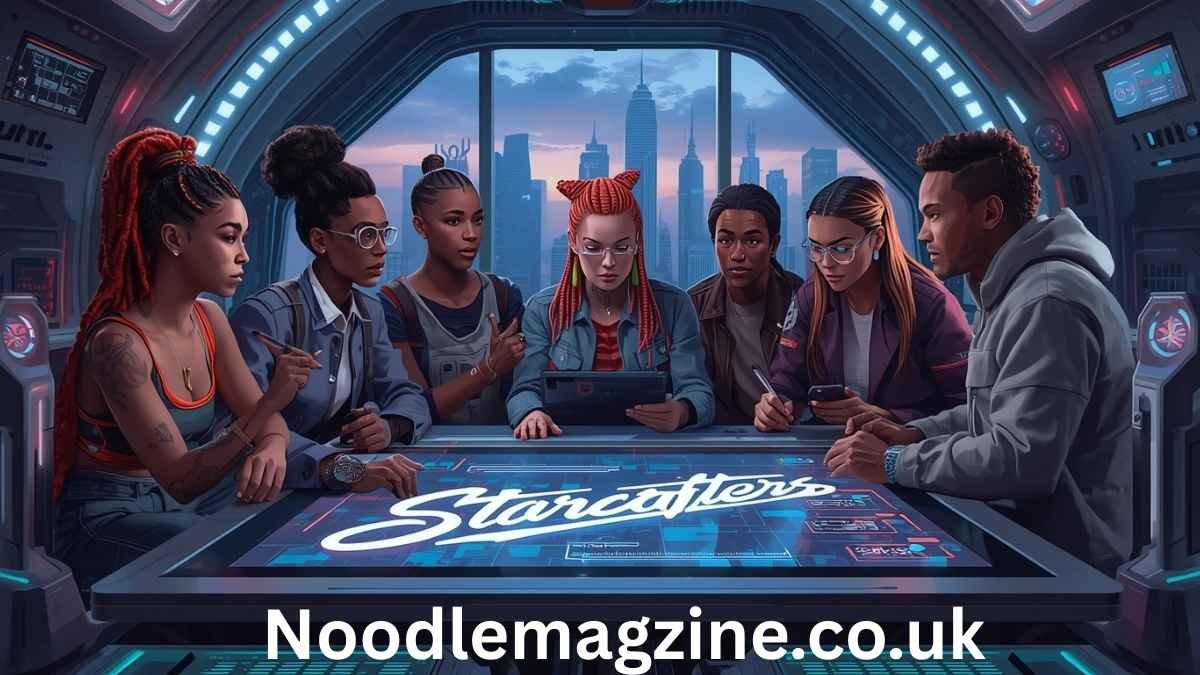
Introduction
The term “starcrafters” is quickly gaining popularity in the modern digital world. It represents a new generation of creators, innovators, and visionaries who build experiences, ideas, and systems that feel almost larger than life. Starcrafters are not limited to one field—they exist in technology, gaming, design, storytelling, and digital development.
At its core, the concept of starcrafters reflects creativity combined with technical skill. These individuals don’t just consume content—they create it. They build virtual worlds, design digital tools, and develop ideas that shape how people interact with technology and media. In many ways, starcrafters are the architects of the digital universe.
This article explores what starcrafters are, what they do, why they are important, and how they are shaping the future of innovation. Whether you are a student, creator, or tech enthusiast, understanding starcrafters can help you see how creativity and technology work together to shape the modern world.
Understanding the Meaning of Starcrafters
Starcrafters are individuals who create complex, imaginative, and impactful digital or conceptual projects. The word itself combines “star,” symbolizing something extraordinary or visionary, and “crafters,” meaning skilled builders or creators. Together, it represents people who craft innovative and meaningful digital experiences.
Unlike traditional creators, starcrafters often work across multiple disciplines. They may combine programming, design, storytelling, and problem-solving into one unified creation. This ability to merge skills allows them to produce unique and powerful results.
Starcrafters also focus on innovation rather than repetition. Instead of simply following trends, they often create new trends. They experiment with new tools, techniques, and ideas to push creative boundaries further.
The Skills That Define Starcrafters
One of the defining traits of starcrafters is their diverse skill set. They often possess both creative and technical abilities, allowing them to bring ideas to life from start to finish. This combination makes them highly valuable in modern digital environments.
Technical skills are often a major part of starcrafting. This may include coding, digital design, animation, or software development. These skills provide the foundation needed to build functional and interactive creations.
Creative thinking is equally important. Starcrafters must be able to imagine new possibilities and find unique solutions to problems. Their creativity allows them to develop ideas that stand out and capture attention.
Starcrafters in the Digital and Gaming Industry
The gaming industry is one of the most prominent spaces where starcrafters thrive. Game developers, designers, and digital artists work together to create immersive virtual worlds. These professionals can be considered starcrafters because they craft entire universes from scratch.
Game environments require careful planning, design, and technical execution. Starcrafters create characters, storylines, and interactive systems that engage players. Their work shapes how users experience digital entertainment.
Beyond gaming, starcrafters also contribute to virtual reality, augmented reality, and interactive media. These technologies allow users to experience digital environments in new and exciting ways.
The Role of Starcrafters in Technology and Innovation
Starcrafters play a critical role in technological innovation. They help develop new tools, platforms, and systems that improve how people interact with technology. Their work drives progress and opens new possibilities.
For example, starcrafters may create applications that simplify complex tasks or improve user experience. These innovations make technology more accessible and efficient.
They also contribute to emerging technologies such as artificial intelligence, virtual environments, and digital platforms. Their creative approach helps ensure technology continues to evolve.
Why Starcrafters Are Important in the Modern World
In today’s fast-changing digital landscape, starcrafters are more important than ever. They help shape the future by creating new ideas and solutions. Their work influences industries, entertainment, education, and communication.
Starcrafters also inspire others. Their creativity encourages people to explore new ideas and develop their own skills. This helps drive innovation across multiple fields.
Their contributions also improve user experiences. Whether through apps, games, or digital tools, starcrafters create systems that are more engaging and effective.
How Starcrafters Combine Creativity and Technology
One of the most fascinating aspects of starcrafters is their ability to merge creativity with technology. They use technical tools to express creative ideas in powerful ways. This combination allows them to create things that would not be possible otherwise.
Technology provides the tools, but creativity provides the vision. Starcrafters use both to build meaningful and impactful creations.
This balance between creativity and technology is essential for innovation. It ensures that digital systems are not only functional but also engaging and inspiring.
Becoming a Starcrafter: Skills and Mindset
Anyone with the right mindset and dedication can become a starcrafter. The first step is developing skills. This may include learning coding, design, or digital tools. These skills provide the foundation needed to create digital projects.
Equally important is curiosity. Starcrafters are constantly learning and exploring new ideas. They are not afraid to experiment or try new approaches.
Persistence is also key. Creating innovative projects often requires time and effort. Starcrafters must be willing to overcome challenges and continue improving.
The Future of Starcrafters and Digital Creation
The future looks bright for starcrafters. As technology continues to evolve, new opportunities will emerge. Starcrafters will play a major role in shaping these developments.
Emerging technologies such as virtual reality, artificial intelligence, and digital platforms will require skilled creators. Starcrafters will help build and refine these systems.
Their influence will continue to grow as digital environments become more important in everyday life.
Final Thoughts: The Power and Potential of Starcrafters
Starcrafters represent the future of creativity and innovation. They combine technical skill with creative vision to build meaningful and impactful digital experiences.
Their work influences industries, entertainment, and technology. They help shape how people interact with the digital world.
As technology continues to advance, starcrafters will remain at the forefront of innovation. Their creativity and skill will continue to drive progress and inspire the next generation of creators.

Understanding FC2 PPV: A Modern Paid Video Platform
The world of online video streaming has grown exponentially in recent years. Among the many platforms, FC2 PPV has become notable as a service that allows creators to upload and monetize paid videos. While often associated with adult content, the platform is also an interesting case study in digital content technology, subscription management, and video monetization strategies.
In this article, we’ll explore what FC2 PPV is, how it works, and its technological features, while keeping the discussion safe and tech-focused. If you’re curious about online content platforms, subscription-based videos, and digital monetization, this guide will break it down in a human-friendly way.
What Is FC2 PPV?
At its core, FC2 PPV is a pay-per-view video service. The acronym “PPV” stands for Pay-Per-View, meaning users pay to watch specific videos rather than subscribing to a full service. This model is widely used across many industries, from sports events to online learning.
Key features of FC2 PPV include:
- Content upload and management: Creators can easily upload videos to the platform.
- Payment integration: Secure processing for users who purchase videos.
- Access control: Only paying customers can access specific content.
This system benefits content creators by giving them direct monetization opportunities. Users enjoy on-demand access to videos, making it flexible and convenient.
Semantic Keywords to Note:
- Online video monetization
- Digital content subscription
- Pay-per-view platform
- Creator revenue streams
- Video streaming technology
By understanding FC2 PPV as a technological platform, we can separate the system mechanics from the type of content uploaded, making it safe and informative to discuss.
How FC2 PPV Works: Technology Behind the Scenes
The functionality of FC2 PPV relies heavily on modern video streaming technology. Unlike traditional video hosting, PPV platforms need to securely manage payments, user access, and content delivery.
Here’s a breakdown of how it works:
- Video Upload: Creators upload videos in supported formats.
- Content Encryption: Videos are encrypted to prevent unauthorized access.
- Payment Gateway: Users pay through integrated systems before viewing.
- Streaming Delivery: Content is streamed to users immediately after payment.
- Analytics Dashboard: Creators track views, revenue, and audience engagement.
This workflow makes FC2 PPV an interesting example of how technology supports content monetization. It’s also similar to other platforms that focus on subscription-based or on-demand video streaming, but with a micro-payment model.
Benefits of Using FC2 PPV
There are several advantages to a PPV platform like FC2 PPV, both for creators and viewers:
- Revenue Control: Creators can directly monetize individual videos.
- Flexibility for Viewers: Users pay only for the content they want.
- Security and Access Management: Ensures only authorized viewers can access paid content.
- Analytics and Insights: Helps creators understand viewer behavior and optimize offerings.
Example Use Case:
A tech educator could upload a paid tutorial about software development. Users interested in that specific lesson pay a small fee rather than subscribing to a full channel. This allows creators to monetize niche content effectively.
Another example is small-scale content creators who want to test micro-payment models before committing to large-scale subscriptions. Platforms like FC2 PPV make this process seamless.
Safety and Security Considerations
When using FC2 PPV, security is an important factor for both creators and viewers:
- Encrypted Video Streaming: Prevents piracy and unauthorized downloads.
- Secure Payment Processing: Protects sensitive user information.
- User Authentication: Ensures only paying customers can view videos.
From a tech perspective, the platform uses encryption protocols, secure servers, and anti-piracy measures. For creators, this means confidence in content protection and payment integrity.
Tips for Content Creators Using FC2 PPV
For those interested in leveraging FC2 PPV for monetization, here are some tips:
- Optimize Video Quality: Ensure high-quality streaming to enhance user experience.
- Price Strategically: Set reasonable PPV prices that reflect value but attract viewers.
- Track Analytics: Regularly check engagement metrics to understand audience preferences.
- Promote Content: Use social media or email newsletters to drive viewers to your videos.
By combining technology understanding with marketing strategies, creators can maximize their earnings while providing a smooth user experience.
The Future of PPV Platforms Like FC2 PPV
Paid video platforms like FC2 PPV are likely to evolve alongside streaming technology. Key trends include:
- AI-Powered Recommendations: Suggesting paid content to users based on interests.
- Mobile Optimization: More seamless mobile streaming for on-the-go viewers.
- Blockchain Integration: Secure micro-payments and content verification.
- Hybrid Monetization Models: Combining subscriptions with pay-per-view options.
These developments highlight how PPV platforms are becoming increasingly tech-driven, offering innovative ways for creators to monetize and for users to access content safely.
Conclusion: FC2 PPV as a Tech-Driven Platform
While FC2 PPV is often associated with certain types of adult content online, it’s also an example of modern pay-per-view technology. Its combination of secure streaming, payment management, and analytics makes it a noteworthy platform in the digital content space.
For creators, FC2 PPV provides flexible monetization tools, allowing micro-payments and targeted content delivery. For viewers, it offers on-demand access and payment transparency. By focusing on the technology, functionality, and digital monetization, we can see how FC2 PPV fits into the broader landscape of online video platforms.
Whether you’re a content creator, tech enthusiast, or digital marketer, understanding FC2 PPV provides insight into how modern streaming services operate — combining convenience, technology, and secure monetization.

Introduction: What Is MMSBRE and Why Are People Talking About It?
The keyword mmsbre has been quietly gaining attention online, leaving many people curious about what it actually represents. Unlike well-established terms with clear definitions, mmsbre sits in an interesting gray area. It appears in searches, discussions, and digital spaces without a single, universally accepted explanation, which naturally sparks curiosity and speculation.
What makes mmsbre especially intriguing is that it feels intentional rather than random. People searching for it are often looking for clarity, meaning, or relevance, suggesting that the term holds some contextual importance. Whether it is connected to technology, branding, internal systems, or niche digital terminology, mmsbre has the hallmarks of a concept that matters within specific circles.
This article takes a careful, expert-style look at mmsbre, breaking down what it could represent, why it may be appearing more frequently, and how to approach understanding it. Rather than making unsupported claims, the goal is to provide grounded analysis, useful frameworks, and informed insight in a way that feels natural and easy to read.
The Possible Meaning and Structure of MMSBRE
At first glance, mmsbre appears to be an acronym or coded term. Many modern digital keywords follow this structure, especially those tied to internal tools, systems, platforms, or processes. Acronyms like mmsbre are often designed for efficiency, allowing complex ideas to be referenced quickly within professional or technical environments.
One way to approach understanding mmsbre is to look at how similar terms are typically used. In business, technology, and data-driven industries, short-form identifiers are common. They may represent workflows, frameworks, software modules, or internal methodologies. In this context, mmsbre could function as a shorthand reference used by a specific organization or community.
Another important point is that not all meaningful terms are publicly documented. Some exist primarily in closed systems, internal documentation, or specialized industries. The increasing search interest in mmsbre suggests that it may be crossing from a limited environment into broader visibility, prompting people to look for explanations that are not yet widely available.
Why MMSBRE Is Appearing in Online Searches
The rise in searches for mmsbre is not accidental. In most cases, people search for unfamiliar terms after encountering them in a specific context. This could include documents, dashboards, emails, software interfaces, or even URLs. When a term lacks immediate explanation, curiosity naturally follows.
Another reason mmsbre may be appearing more often is digital spillover. Internal tools or references sometimes become visible externally due to system updates, shared links, or public-facing integrations. When that happens, users outside the original environment start searching for clarity, increasing the keyword’s visibility online.
It is also possible that mmsbre is connected to a developing product, service, or framework that has not yet been fully introduced to the public. Early-stage naming often uses placeholder or abbreviated terms before branding becomes more refined. In these cases, search interest tends to rise before official explanations are released.
MMSBRE in a Digital and Technical Context
From a technical perspective, mmsbre fits the pattern of identifiers used in modern digital ecosystems. Software platforms, enterprise systems, and data infrastructures often rely on concise labels to represent complex processes. These labels may never be intended for end-user interaction, yet they sometimes surface due to system transparency.
In such environments, mmsbre could relate to backend processes, reporting engines, or operational modules. These systems prioritize efficiency and clarity for developers and analysts, not necessarily for the general public. As a result, the terminology may feel opaque to outsiders, even though it is perfectly logical within its intended context.
Understanding mmsbre in this way helps reframe the confusion. Rather than assuming it is meaningless or suspicious, it may simply be specialized. Many digital terms gain broader recognition only after enough people encounter them and start asking questions, which appears to be happening here.
Interpreting MMSBRE Without Assumptions
One of the most important things when discussing mmsbre is avoiding unsupported conclusions. In the age of fast information, it is easy for speculation to turn into misinformation. A responsible approach involves acknowledging uncertainty while still offering useful ways to think about the term.
Instead of asking, “What does mmsbre definitively mean?” a better question might be, “In what context did I encounter mmsbre?” Context often provides more insight than the term itself. Where it appears—whether in software, communication, or documentation—can significantly narrow down its purpose.
Another practical strategy is pattern recognition. If mmsbre appears alongside other similar terms, codes, or labels, it likely belongs to a structured system. Understanding that system often reveals the function of the term without needing a public definition. This method is commonly used by analysts, developers, and technical consultants.
The Role of Keywords Like MMSBRE in Modern Systems
Keywords such as mmsbre reflect a broader shift in how information is organized and accessed. Modern systems rely heavily on identifiers rather than descriptive language. This allows for scalability, automation, and precision, but it also creates barriers for those unfamiliar with the system.
In enterprise environments, these identifiers are essential. They allow teams to reference processes quickly and consistently. While this works well internally, it can create confusion when those identifiers become visible externally. MMSBRE may be an example of this exact phenomenon.
From an expert standpoint, this is not a flaw but a trade-off. Efficiency often comes at the cost of immediate clarity. Over time, as systems mature or become more public-facing, these terms are either documented or replaced with more user-friendly language.
Why Understanding MMSBRE Matters
You might wonder why understanding mmsbre is important at all. The answer depends on your interaction with it. If the term appears in your workflow, documentation, or digital tools, understanding it can reduce confusion and improve efficiency. Clarity saves time and prevents errors.
On a broader level, mmsbre represents a category of modern terminology that many people encounter daily without fully understanding. Learning how to interpret and research such terms is a valuable digital skill. It empowers users to navigate complex systems with confidence rather than frustration.
There is also value in recognizing when a term does not yet have a public explanation. Not every keyword is meant to be widely understood, and that is okay. Sometimes, awareness of limits is just as important as having answers.
How to Approach MMSBRE Moving Forward
If you continue encountering mmsbre, the best approach is practical and methodical. Start by identifying the source. Is it tied to a platform, a document, or a system you use regularly? That connection is often more informative than external search results.
Next, look for internal documentation or support channels. Terms like mmsbre are often explained within the systems they belong to, even if they are not indexed publicly. Asking the right internal questions can yield faster and more accurate answers.
Finally, remain cautious of oversimplified explanations. Because mmsbre lacks a widely accepted definition, not all information about it will be reliable. Prioritizing context, logic, and verified sources will help you avoid confusion.
Conclusion: MMSBRE as a Sign of Modern Digital Complexity
MMSBRE may seem like a small, obscure keyword, but it reflects something much larger about how modern systems operate. As digital environments grow more complex, specialized terms become unavoidable. They serve important functions, even when their meaning is not immediately clear.
Rather than viewing mmsbre as a problem to solve instantly, it is more useful to see it as a signal. It signals the presence of structured systems, internal logic, and evolving digital frameworks. Understanding how to approach such terms is a valuable skill in itself.
In the end, mmsbre is less about a single definition and more about context, awareness, and adaptability. As more information becomes available, its meaning may become clearer. Until then, a thoughtful, informed approach ensures you stay grounded, curious, and in control of how you interpret the digital world around you.

6 AI YouTube Video Maker Tools for Agencies & Marketers
Can Air Source Heat Pumps Meet All Our Heating Needs?
Can Flats Qualify for the Boiler Upgrade Scheme Grant?

8158500038 Call Meaning: Who Is Calling and What To Do Today

Noodlemag: What It Is Why People Search It and How To Stay Safe Online
